Ayurvedic Allergy Treatment in Dubai | For Treatment, Book an Appointment Today!
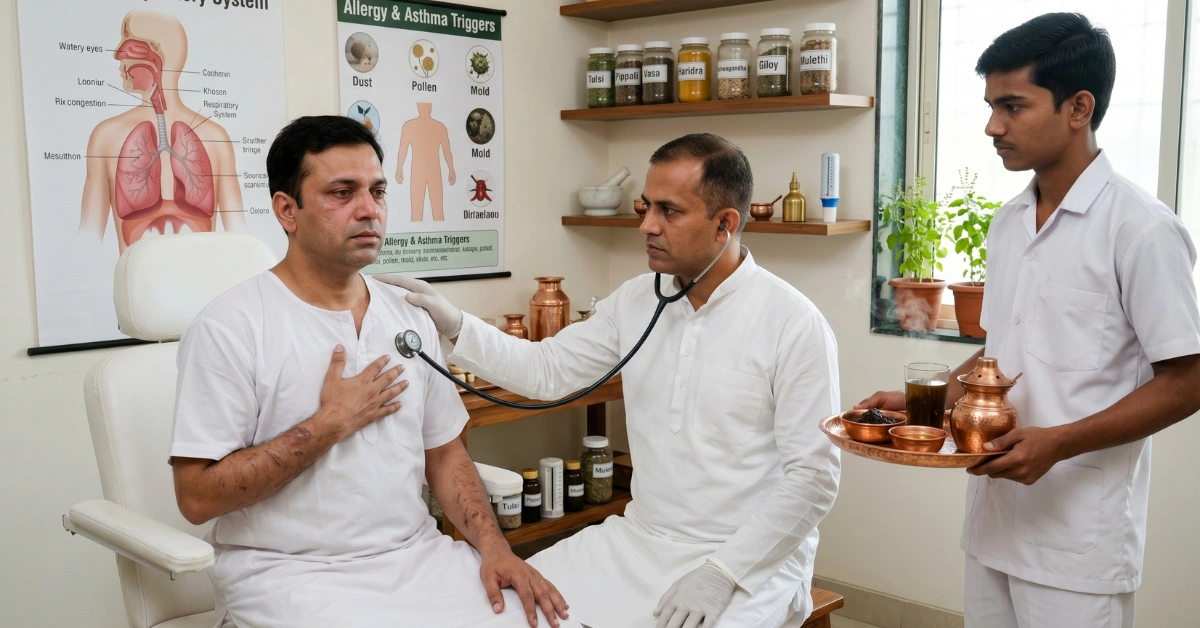
Our clinic offers Ayurvedic allergy treatment in Dubai for long-standing allergies such as allergic rhinitis, dust allergy, skin allergies and urticaria. Every plan starts with a one-to-one consultation with our DHA-licensed doctors at our Karama clinic.
Understanding Allergies Treatment:
An allergy happens when the immune system overreacts to something that is usually harmless, such as dust, pollen, pet dander, mould or certain foods. Some reactions appear within minutes, like sneezing, itching or hives, while others develop more slowly, like ongoing congestion or skin flare-ups.
Allergies are very common and can affect the nose and sinuses, skin, eyes, lungs or digestion. In Dubai, dust, sandstorms, air conditioning and indoor mould are frequent triggers. Ongoing allergy symptoms can also affect sleep, energy, mood and concentration.
Ayurveda sees allergies as a sign of imbalance in digestion and the doshas, which makes the body more reactive to triggers. Treatment aims to reduce how often and how strongly you react, using herbal medicines, therapies such as Nasya and Panchakarma where suitable, and changes in diet and routine. Like any medicine, herbal preparations can cause side effects in some people, so they should only be taken as prescribed by a qualified doctor.
Since 2010, our DHA-licensed Ayurvedic doctors have treated patients with allergies at our Karama clinic. Ayurvedic treatment can be used on its own for milder, long-standing allergies, or alongside your GP's or allergist's care. It does not replace emergency treatment for severe allergic reactions.
Why Choose Our Ayurvedic Allergy Treatment in Dubai?
Licensed Ayurvedic Doctors:
Our treatments are planned by DHA-licensed Ayurvedic doctors trained in the classical Kerala tradition. They regularly treat allergic conditions such as allergic rhinitis, urticaria, eczema and dermatitis, and explain the purpose of every medicine and therapy before treatment begins.
Experience with Common Allergies:
Our doctors see many patients with seasonal and year-round allergies, including dust and pollen allergy, recurring sneezing and congestion, and skin allergies. Each plan is based on your symptoms, triggers and body type.
Understanding Your Triggers:
The consultation looks at your symptoms, when they happen, your home and work environment, diet and daily routine, along with an Ayurvedic assessment of your dosha balance. If you already have allergy test results from a clinic or hospital, please bring them, as they help the doctor plan your treatment.
Customised Treatment Plan:
Your plan may include herbal medicines, external therapies and, where suitable, detox therapies such as Panchakarma. The aim is to ease symptoms like nasal congestion, sneezing, itching and chronic cough, and to reduce how often flare-ups happen. Because plans are customised, the doctor explains the therapies, expected duration and cost after your consultation, before you begin.
Lifestyle and Diet Guidance:
Along with treatment, our doctors give practical advice on diet, sleep and stress, and on reducing common triggers at home, such as dust, AC filters, carpets and bedding.
Follow-up and Monitoring:
Regular follow-ups help the doctor check how your symptoms are changing and adjust your treatment, especially when the season or your surroundings change.
Does Ayurveda Work for Allergies?:
Many people try different allergy medicines on their own, but the right treatment depends on what is causing your symptoms. A proper check-up and, where needed, allergy testing help identify the cause. Avoid starting herbal or other medicines by yourself, as they may not suit your condition.
Ayurveda has been used in South Asia for centuries, and many people use it today to manage long-standing allergies. It works best for recurring, non-emergency symptoms, and results depend on the type of allergy, how long you have had it and how consistently you follow the plan.
When to Seek Emergency Care:
Call Us or go to the nearest emergency department immediately if you have swelling of the lips, tongue or throat, difficulty breathing or swallowing, wheezing, or feel faint after eating something, taking a medicine or being stung. These can be signs of a severe allergic reaction (anaphylaxis), which needs emergency medical treatment. If you have asthma, always keep your prescribed inhaler with you.
Book an Ayurvedic Allergy Treatment in Dubai:
If allergies keep coming back or affect your sleep, work or daily life, you can book a consultation at our Karama clinic by phone or WhatsApp.
Frequently Asked Questions
Can allergies be cured permanently with Ayurveda?
Most allergies cannot be removed permanently, but many people find their symptoms become milder and less frequent with the right treatment. Ayurveda aims to reduce how strongly your body reacts to triggers by working on digestion, immunity and daily habits, and the doctor will explain what you can realistically expect after your consultation.
Is Ayurveda allowed in Dubai?
Yes. Ayurveda is recognised in Dubai under Traditional, Complementary and Alternative Medicine, and both clinics and practitioners must be licensed by the Dubai Health Authority (DHA). Before starting treatment anywhere, it is a good idea to check that the clinic and doctor hold a valid DHA license.
Where can I get Ayurvedic allergy treatment in Dubai?
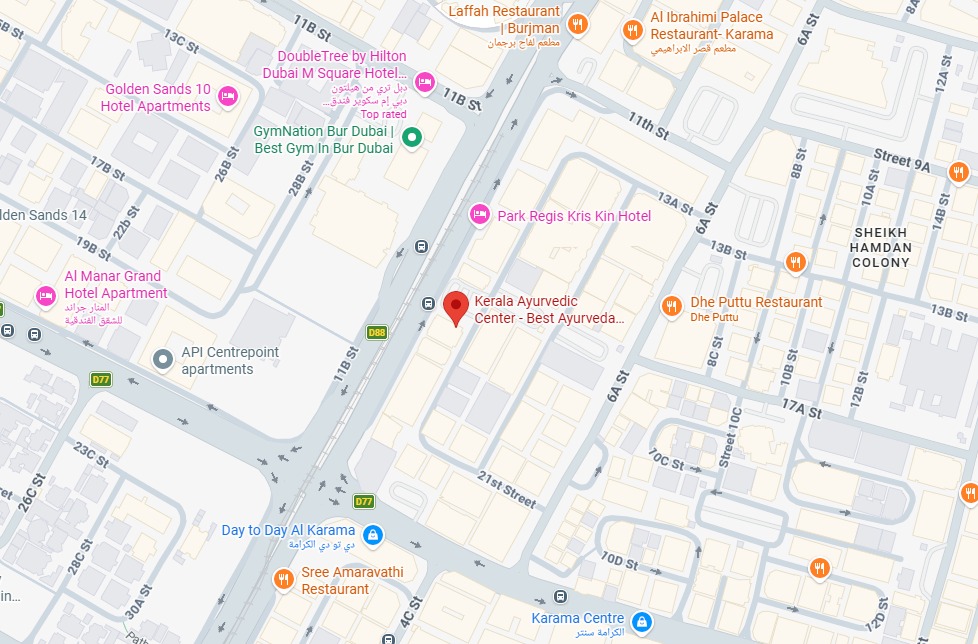
Our clinic in Karama, opposite Spinneys, offers Ayurvedic allergy treatment in Dubai with DHA-licensed doctors. Every treatment starts with a one-to-one consultation, and you can book by phone or WhatsApp.
Which specialist is best for allergies in Dubai?
It depends on what you need. An allergist or immunologist is the right specialist for allergy testing, severe allergies, food allergies and allergy shots, and the cost of allergy tests varies between clinics and insurance plans. An Ayurvedic doctor can help with long-standing, recurring allergies such as dust allergy, allergic rhinitis and skin allergies. Our doctors are Ayurvedic physicians, not allergists or immunologists, and we do not do allergy testing, but our treatment can be used alongside your allergist's care.
What are the main types of allergies?
Common types include respiratory allergies (such as allergic rhinitis, dust and pollen allergy), skin allergies (such as eczema, urticaria and contact dermatitis), eye allergies, food allergies, drug allergies and insect sting allergies. At our clinic, we mainly help with long-standing respiratory and skin allergies. Food, drug and insect sting allergies can cause severe reactions and should be managed by an allergist.
Which organ is responsible for allergies?
Allergies are caused by the immune system rather than a single organ. The immune system mistakes a harmless substance, like dust or pollen, for a threat and releases chemicals such as histamine, which cause sneezing, itching and swelling. In Ayurveda, weak digestion (Agni) is also seen as an important factor that makes the body more prone to allergic reactions.
When is allergy season in Dubai?
Many people notice more symptoms in spring, roughly from February to May, when trees such as date palm and mesquite release pollen. Dusty and sandstorm days, which are more common in spring and summer, can also trigger flare-ups. Indoor triggers like dust mites and mould in air conditioning can cause symptoms all year round.
Can Ayurveda help with dust allergy in Dubai?
Dust allergy is one of the most common problems we see, especially with Dubai's dust, sandstorms and air conditioning. Treatment combines herbal medicines, therapies such as Nasya where suitable, and practical steps to reduce dust at home.
Which foods cause most food allergies?
Most food allergies are caused by a small group of foods: milk, eggs, peanuts, tree nuts, fish, shellfish, wheat and soy, with sesame also now recognised as a common allergen. Food allergies can cause severe reactions, so if you suspect one, please see an allergist for testing and advice.
How can I control allergies at home?
Keep windows closed on dusty days, clean AC filters regularly, wash bedding weekly in hot water, reduce carpets and soft furnishings where dust collects, and shower after being outdoors on high-dust days. In Ayurveda, eating freshly cooked warm food, avoiding very cold and heavy foods, and keeping a regular sleep routine are also advised to support the body.
Which drink helps with allergies?
Drinking enough water helps keep the nose and throat moist, which is especially important in Dubai's dry air. In Ayurveda, warm water through the day, ginger tea or tulsi (holy basil) tea are traditionally used for seasonal allergies. These can support treatment but do not replace it.
Can I continue my antihistamines or inhaler?
Yes. Please do not stop any prescribed medicine, especially an asthma inhaler, on your own. Tell our doctor what you are using so your Ayurvedic plan can be adjusted safely.
Is Ayurveda covered by insurance in the UAE?
It depends on your insurance plan. Some UAE health insurance plans include cover for alternative medicine, while many basic plans do not, so please check with your insurance provider before your visit.
How much does Ayurvedic allergy treatment cost in Dubai?
The cost depends on your condition, the therapies you need and the number of sessions, so we do not follow a fixed price list. After your consultation, the doctor explains your plan and total cost before you begin.
Newsletter
Join our community and never miss out on the latest in Ayurvedic healing.
We're located opposite Spinneys in Karama, Dubai — with friendly doctors ready to help. Tap the map to get directions straight to our door.
 Get Directions